One Finger, Many Jobs: Putting the Accent Nail Where It Actually Works
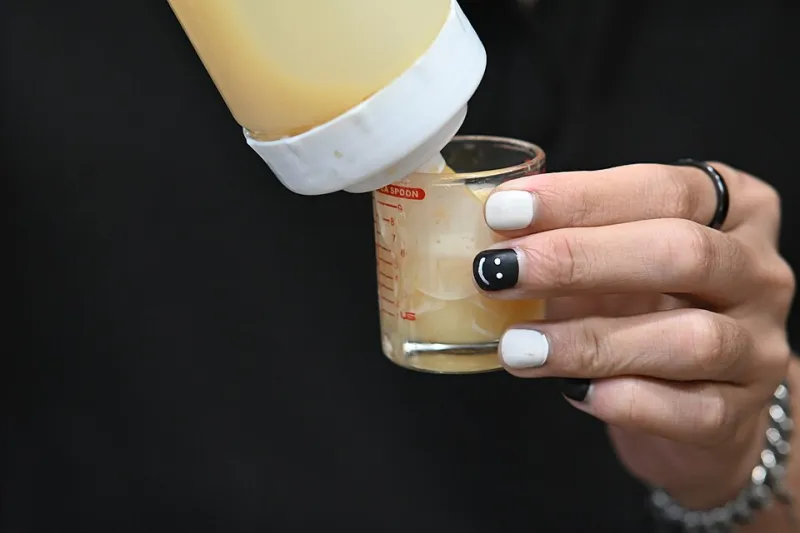
Photo: PattayaPatrol, CC BY-SA 4.0, via Wikimedia Commons
Accent nails have a reputation problem. Not because they look bad — they usually look lovely — but because they have become so predictable. One ring finger, one contrasting colour, one slightly guilty feeling that you have played it safe. For winter 2026, the more interesting question is not whether to have an accent nail. It is where to put it, and why.
The ring finger is a habit, not a rule
Nothing against the ring finger. It is central, it photographs well and it sits neatly beside most engagement and wedding stacks. But defaulting to it every time is a bit like always reaching for the same coat because it fits. It does fit. It just might not be the most interesting choice in your wardrobe.
An accent nail is really a small piece of visual weight. Put it on the ring finger and the eye lands in the middle of the hand. Put it on the index finger and the accent becomes more visible when you gesture, hold a cup or swipe a train ticket. Put it on the thumb and it reads almost like a piece of jewellery — especially on shorter nails. None of these is wrong. They simply do different jobs.
Begin with the hand in front of you
Hand shape matters more than most trend posts admit. If your nails are short and squoval, a tiny accent on the little finger can disappear entirely; the thumb or index finger gives the colour more room to breathe. If your fingers are long and tapered, a middle-finger accent can look beautifully centred, almost architectural. Broad nails can carry a larger half-moon or a bolder block of colour. Narrow nails often suit a slim line, a micro-French or a single dot near the cuticle.
It also helps to look at how your hands sit when they are relaxed. Some people have a very even nail line; others have one finger that naturally sits slightly longer or wider. A good nail tech will spot this straight away. If you are booking a consultation, ask them where they would place an accent on your hand rather than arriving with a fixed finger in mind. The answer is often more useful than a saved screenshot.
The dominant hand has a different job
Your dominant hand does the lifting, typing, unzipping and tea-making. It also catches the light when you talk. That makes it a brilliant place for an accent if you want to enjoy it, and a slightly higher-maintenance place if the design is delicate. If you are hard on your hands, a simpler accent on the quieter hand can be the calmer choice. If you want the detail where you will actually see it, put it on the hand that gestures most.
This is not about being precious with your manicure. It is about matching the placement to your week. A chrome half-moon on the middle finger of your dominant hand will survive most office days. A fine negative-space line on the same finger may need a little more care around car doors and gym bags. Neither is a mistake — just a different level of commitment.
Jewellery frames the finger
Rings change everything. A chunky signet on the index finger and a bright accent on the same finger will fight for attention. Move the accent to the middle or ring finger on the other hand and both pieces get room. A delicate stacking ring can handle a tonal accent beside it, but a full stack of mixed metals often looks better with the accent placed away from the noise.
Watch straps and bracelets matter too. If you wear a gold watch every day, a warm caramel or olive accent will feel more intentional than an icy silver one. If your jewellery is mostly silver or white gold, cool taupes, slate blues and soft greys will sit comfortably alongside it. And if you never take a particular ring off, bring it to your appointment. Your tech can hold the polish swatch next to it and tell you honestly whether it sings or clashes.
Your coat is already a colour card
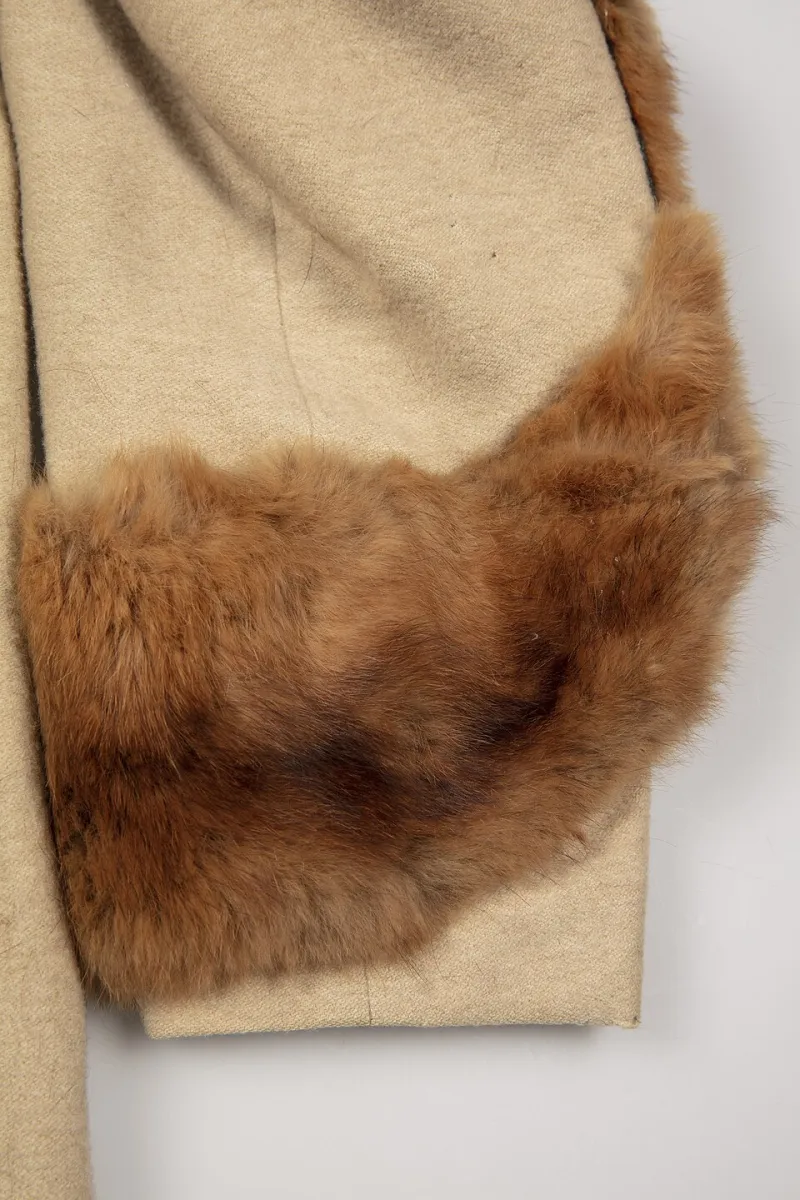
Winter dressing narrows the palette. Coats, scarves, knitwear and boots tend to repeat the same few tones for months, which makes them a very practical place to start. Look at the colours you actually wear rather than the ones you wish you wore. A burgundy accent against a camel coat feels rich without being loud. Slate blue next to grey wool is quietly smart. Olive with cream knitwear is one of those combinations that looks expensive without trying.
The trick is to echo, not twin. You do not need a accent that matches your scarf exactly. A tonal shift — deeper, lighter, slightly warmer — usually looks more polished. If you are unsure, bring the coat or scarf to the salon. It sounds fussy; it takes ten seconds and saves a fortnight of second-guessing.
Briefing the salon without a mood board
You do not need a presentation. You need a few clear sentences. Point to the finger you have in mind and say what the accent is doing: drawing the eye, echoing a ring, adding texture without adding colour. Ask for a test nail if you are choosing between two shades. Decide on finish before colour — glossy, satin or brushed — because finish changes the whole mood. Mention your dominant hand and any rings you wear daily. Keep the length and shape consistent with the rest of the set so the accent feels deliberate rather than accidental.
A good rule for winter 2026: if you cannot explain why the accent is on that finger, move it somewhere you can. The best accent nails look like a decision, not a default.
Five subtle accents worth trying
- Tonal micro-French on the index finger. A soft taupe base with a cream tip, just on one finger, gives you the French look without the full set.
- Brushed chrome half-moon on the middle finger. Small, centred and surprisingly wearable. It catches winter light without looking like a novelty.
- A single micro-dot at the cuticle of the thumb. Lovely on short nails, and it sits near your rings without competing with them.
- A fine negative-space line on the ring finger. The classic placement, but quieter. One slim line of colour over a sheer base is enough.
- A texture swap on one finger. Same colour, different finish — glossy on most nails, satin on the accent. It is an accent nail for people who do not really want an accent nail.
The point is not to abandon the ring finger. It is to stop letting it make the decision for you. Put the accent where your hand, your jewellery and your winter wardrobe can actually use it. That is when one finger stops getting all the attention for the wrong reasons and starts earning it.