The Postcode Effect: What Your Local Water Is Doing to Your Manicure

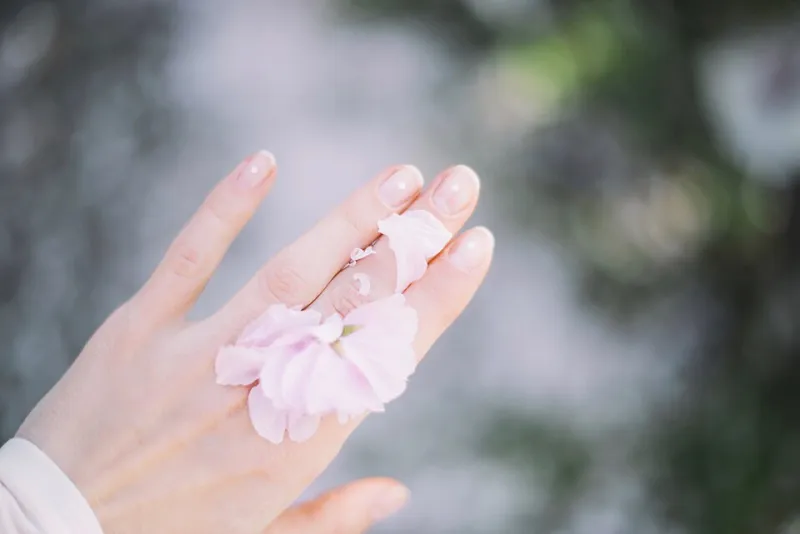
Photo: Connor Cunningham, CC BY-SA 4.0, via Wikimedia Commons
There's a quiet conversation that happens in plenty of UK salons, usually around day ten. A client texts a photo of a slightly lifted edge, and the tech thinks, but I did everything the same as last time. And they probably did. What changed wasn't the prep, the product or the pressure of the file. It was the water in the client's flat, three postcodes away from the last one.
Water is the least glamorous variable in nail care and possibly the most underrated. So let's talk about it properly.
What We Mean by Hard Water
Hardness comes down to dissolved minerals, mainly calcium and magnesium. The more of them in your supply, the harder the water — and the more it likes to leave a film behind on anything it touches.
The UK is unusually patchy on this. London, the Thames Valley, East Anglia, much of the South East and parts of the Midlands sit in genuinely hard territory. Scotland, Wales, the South West and the North West are broadly softer, though there are pockets everywhere. Most water companies publish a hardness figure for your postcode, usually expressed in milligrams per litre of calcium carbonate, and it takes about ninety seconds to look up. If your number is high, keep reading.
How It Meets Your Nails
A nail plate is not a sealed surface. It's layered, slightly porous, and very fond of holding onto whatever you put on it — which is exactly why prep matters so much. Hard water leaves a fine mineral residue that can sit between the natural nail and your base coat. Over time that residue is a barrier, and barriers are where lifting starts.
There's a second effect, less talked about. Hard water is a stubborn partner for soap, so it forms the familiar greyish scum on basins and shower screens — and a milder version of that film ends up on hands. Cuticles, already the driest part of the finger, can end up looking chalky and ragged even when you're diligent with oil. Polish itself can dull faster, losing that just-done glassiness by the end of the first week.
None of this is damage in the dramatic sense. It's interference. And interference is much easier to manage.
Why Two Clients, One Manicure, Different Results
Consider the variables. One client rinses her hands in hot water a dozen times a day and does the washing up bare-handed. Another has a dishwasher, a water softener and a habit of keeping a hand cream by the kettle. Same gel, same tech — wildly different fortnight.
Add in the small things: swimming, a long bath with hands submerged, cleaning sprays, hand sanitiser on repeat. Hard water doesn't act alone; it compounds with everything else that dries or coats the nail plate.
The Questions Worth Asking
A good consultation should include your water, and most clients have never been asked. It's not a fussy question, and no decent tech will mind it. Try these:
- What do you use to dehydrate the nail plate before base coat? You want to hear about a proper cleanser or prep wipe, not just a wash and a tissue.
- Do you cleanse again after any water contact mid-service? It sounds pedantic. It isn't.
- Have you had other clients in my area with lifting issues? Techs notice local patterns long before anyone writes about them.
- Would a bonding layer help in my case? Sometimes the answer is a different base rather than more prep.
If you're shy about raising it, frame it simply: I think my water might be hard — does that change anything for me? It's a professional question, and it's taken as one.
Home Adjustments That Genuinely Help
Be sceptical about softening claims. Standard jug filters improve taste and reduce chlorine, but they don't remove hardness to any meaningful degree. A final rinse with a splash of distilled or deionised water — the sort sold for irons and car batteries — is cheap, quick and genuinely effective if you want to try something small first.
Beyond that:
- Shorten the soak. Wash hands in lukewarm water, not hot, and keep it brief. Long, hot hand-washing is the enemy of a fresh set.
- Dry properly. Pat hands dry, then give nails a full few minutes before polish goes anywhere near them. Damp nail plate, poor adhesion.
- Oil twice a day, not twice a week. A cuticle oil with jojoba or squalane, massaged into the nail plate as well as the skin, does more than a single generous application.
- Gloves for washing up. This one step undoes a surprising amount of hard-water exposure.
- Consider a softener if your figure is high. It's an expense, so treat it as an option rather than a requirement — but in very hard areas it's the single biggest lever.
A 2026 Routine Built Around Your Postcode
Start by finding your hardness number. If it's low, carry on with the basics — oil, gloves, sensible prep. If it's high, build the routine around it: brief washes, a final distilled rinse once a week, twice-daily oil, and a note on your client record so your tech knows your context when you next sit down.
That last part is the real shift. In 2026 the good salons are the ones asking about your water, your washing-up habits and your commute, not just your colour choice. Nails don't happen in a vacuum — they happen in a bathroom in Croydon or a flat in Leeds or a cottage in Powys, with whatever comes out of that particular tap.
The Bottom Line
Hard water isn't sabotaging your manicure on its own, and no one needs to move house over a lifted edge. But it's a genuine, measurable variable, and once you know your number you can stop guessing why week two looks different from your friend's. Same polish, different postcode — and now you know what to do about it.